Solar Plant
Solar Plant
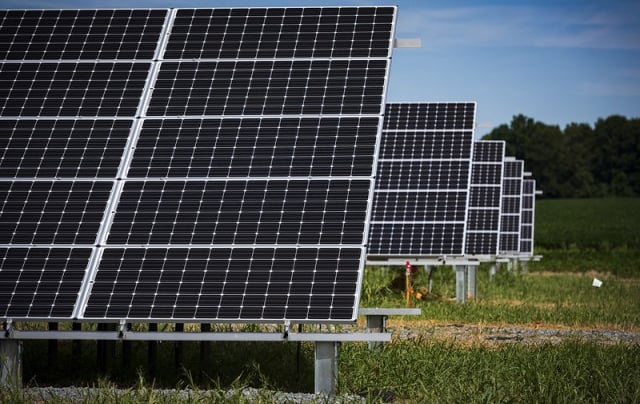
A solar plant harnesses the power of sunlight to generate electricity through photovoltaic cells or concentrated solar power technologies. These systems convert sunlight into usable energy, providing a clean and renewable source of power. The benefits of solar energy include reducing greenhouse gas emissions, lowering electricity bills, and decreasing reliance on fossil fuels. Additionally, solar plants can contribute to energy independence and create job opportunities in installation and maintenance sectors. As technology advances, the efficiency and storage capabilities of solar energy systems continue to improve, making them an increasingly viable option for both residential and commercial applications. Furthermore, many governments offer incentives to promote solar energy adoption, further enhancing its appeal as a sustainable energy solution. Overall, solar plants represent a significant step towards a greener and more sustainable future.




Solar Panels to the Environment
Solar panels offer a multitude of benefits to the environment by harnessing clean, renewable energy from the sun. By converting sunlight into electricity, they significantly reduce dependence on fossil fuels, thus lowering greenhouse gas emissions and mitigating climate change. The installation of solar panels contributes to a decrease in air and water pollution, protecting natural ecosystems and improving public health. Additionally, solar energy is abundant and sustainable, making it a reliable alternative to conventional energy sources. As more households and businesses adopt solar technology, the overall carbon footprint is further diminished, leading to a cleaner and healthier planet for future generations. Moreover, solar panels can be integrated into various settings, from remote areas to urban environments, ensuring that energy access can be expanded while maintaining environmental integrity. Thus, the rise of solar energy symbolizes a significant step toward a sustainable future and the preservation of our natural resources.


Steps To Open Bio Fuel Plant/Pump
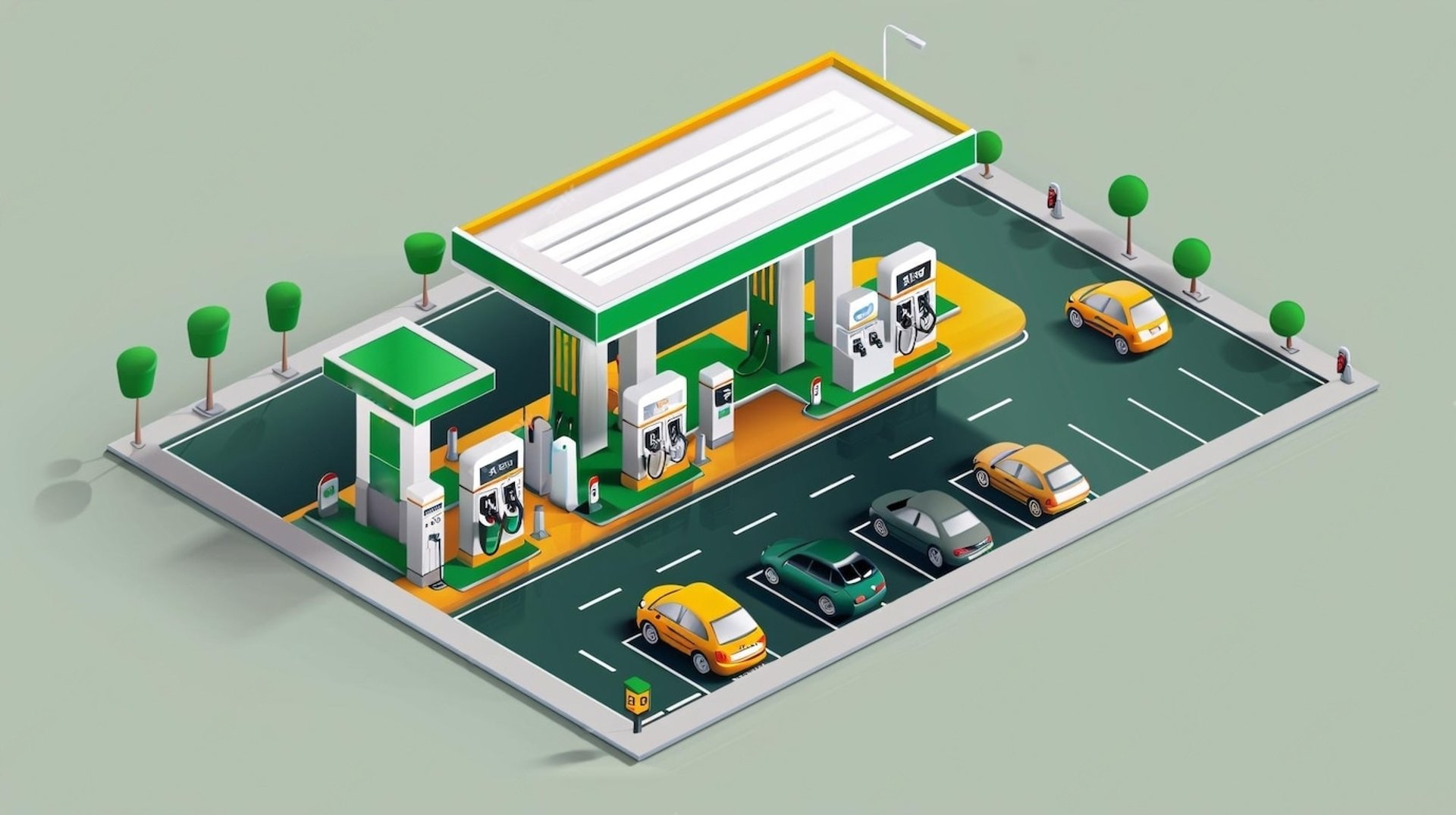
EsarIndia Bioenergy Business Partners/Franchise plan to start a Biofuel Project. EsarIndia Bioenergy groups will tie-up with Business Partners/Franchise in a unique model in which both parties will get benefited.In this model, Business Partners/Franchise Partner puts resources into Land, Infrastructure, Licenses and EsarIndia Bioenergy gives Project Design, Unique Business Model, Permission support, Brand Promotions with Business Operations Support.


Step 1
Application
Apply to become a Biofuel Plant/Pump Owner, Franchisee. Applicants need to apply online via website : esarindia.com or Off-line to Email all relevant details and document on Email ID support@esarindia.com




Step 2
Assessment
Step 3
Allotment
On receiving the application, EsarIndia Sales Team will get in touch with the applicant to assess their eligibility. They will then scrutinize the application, supporting documents, land area and location and applicant's financial background
Once the application is approved, EsarIndia do contact agreement with the applicants to start Biofuel Plant/Pump at applicants land. Applicant should be asked to submit required documents, Bank Guarantee, Credit Franchisee fee.